
Advantages of period property upgrades in West London
TL;DR:
Period property upgrades enhance energy efficiency, comfort, and market value while preserving historic character.
Window improvements like secondary glazing and double glazing significantly reduce heat loss and noise, with no planning permission needed.
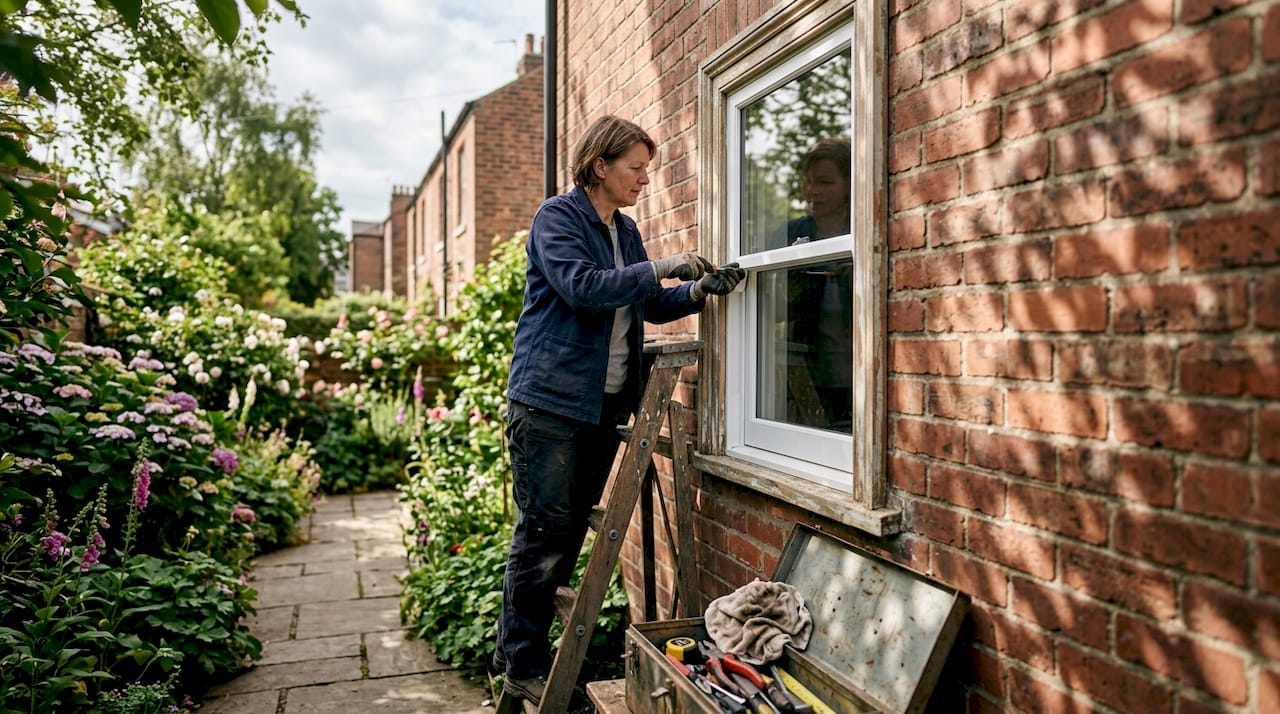
Period property upgrades are defined as targeted improvements to pre-1940s homes that enhance energy efficiency, comfort, and market value without erasing historical character. The advantages of period property upgrades are substantial: better thermal performance, reduced noise, stronger security, and a measurable uplift in property value. West London’s stock of Victorian and Edwardian terraces in Fulham, Kensington, and Chiswick represents some of the most desirable real estate in the country. Protecting that character while meeting 2026 living standards is not a compromise. With the right approach, it is a clear win on every front.
1. How window upgrades improve energy efficiency in period homes
Window upgrades deliver the most immediate and measurable gains in period property refurbishment. Double-glazed units fitted into original sash boxes reduce heat loss by up to 70% and cut noise by 35–40 decibels. That level of improvement changes how a room feels on a cold January morning in Hammersmith.
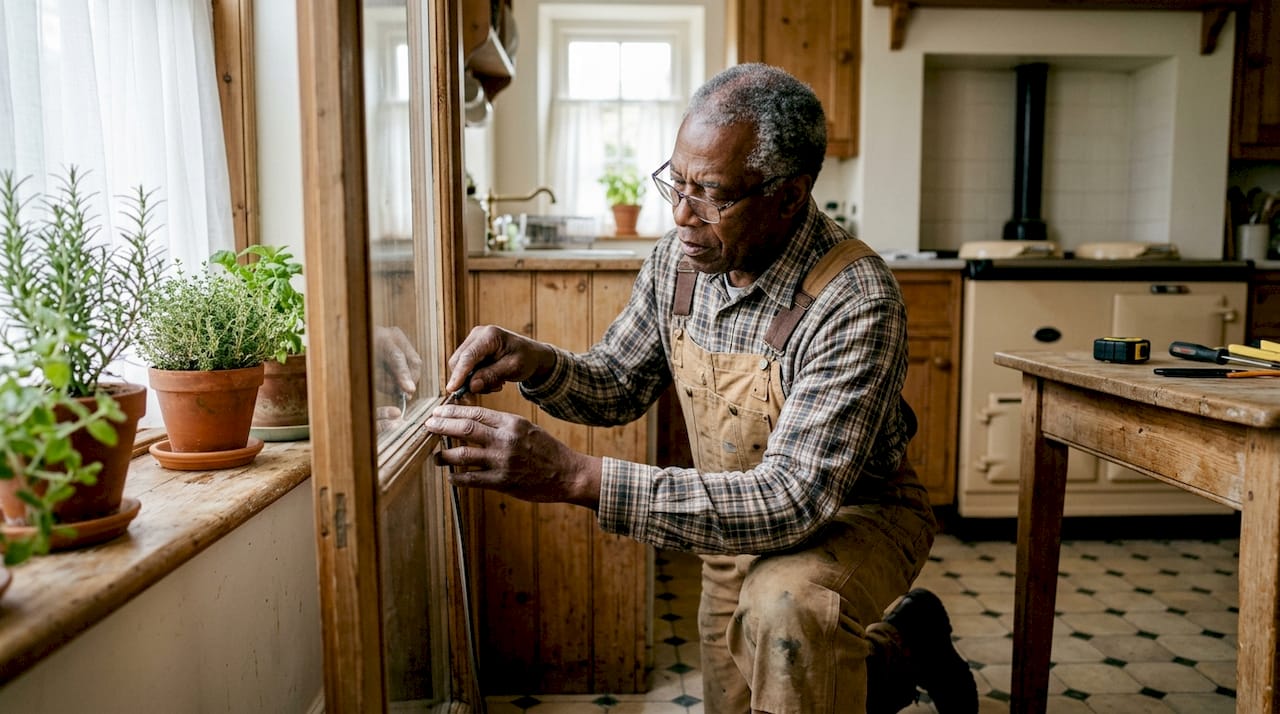
Secondary glazing goes even further in some situations. Secondary glazing with low-emissivity glass cuts heat loss through windows by over 60%, and its 100–200mm air gap outperforms the 12–16mm gap in standard double glazing for noise reduction. The result is a quieter, warmer home with the original frames fully intact.
The financial case is clear too. Energy savings from quality window upgrades typically reach £300–£600 annually. Over five years, that pays back a significant portion of the installation cost.
Key benefits of upgrading windows in period homes:
Heat retention: Up to 70% reduction in heat loss through the glazing unit
Noise reduction: 35–40 decibels quieter, critical for properties near busy West London roads
Condensation control: Modern glazing reduces cold surfaces where mould forms
Security: Updated locking mechanisms add a deterrent layer without altering the frame’s appearance
Value uplift: Double glazing in original sash boxes increases property value by 5–15%
Pro Tip: Secondary glazing requires no planning permission and preserves the external appearance of your windows entirely. This makes it the safest choice for listed buildings and conservation area properties in Chelsea or Notting Hill.
2. Kitchen and bathroom upgrades that deliver strong returns
Not every renovation pays for itself. The data on which upgrades do is worth knowing before you spend a penny. Minor kitchen remodels yield approximately 96% ROI, while minor bathroom remodels return around 71% in 2026. Major gut renovations consistently underperform both figures.
The lesson is clear: targeted, well-chosen upgrades beat wholesale replacement. In a period kitchen, this might mean refacing cabinet doors, fitting a new worktop in a material that suits the era, and updating the splashback. In a bathroom, it could mean re-tiling, replacing sanitaryware, and improving the lighting without touching the layout.
Period aesthetics reward restraint. Choosing materials like encaustic tiles, brushed brass fittings, or tongue-and-groove panelling keeps the character of the space intact while delivering a fresh, functional result. You can read more about bathroom refurbishment value in West London properties specifically.
Upgrades that complement period character without heavy disruption:
Worktop replacement: Solid wood or Carrara marble suits Victorian and Edwardian kitchens well
Cabinet refacing: Retains the existing carcasses, cutting cost and waste significantly
Period-style sanitaryware: Roll-top baths and high-cistern WCs are both authentic and sought after by buyers
Underfloor heating beneath original tiles: Adds comfort without altering the visible floor surface
Pro Tip: Avoid removing original features like picture rails, ceiling roses, or dado rails during a kitchen or bathroom upgrade. Buyers in West London actively pay a premium for these details.
3. Preserving historical integrity while improving thermal performance
The biggest risk in upgrading a period property is trapping moisture inside the walls. Older buildings were designed to breathe. Sealing them with modern impermeable materials causes damp, decay, and structural damage that costs far more to fix than the original upgrade saved.
Vapour-permeable materials like wood-fibre insulation and lime-hemp plaster maintain wall integrity by allowing moisture to move through the fabric rather than accumulate. This is the correct approach for solid-walled Victorian and Edwardian properties. Breathable walls stay dry, and dry walls stay structurally sound.
Heating choices matter too. Cast iron radiators provide thermal mass and radiant heat that suits period rooms particularly well. They warm up slowly and cool down slowly, delivering a more consistent temperature than steel panel radiators. They also look right in a Victorian hallway.
A practical approach to heritage-conscious thermal upgrades:
Audit the existing fabric first. Identify where heat is lost before specifying any insulation product.
Choose lime-based plasters and renders. These allow moisture movement and are compatible with original masonry.
Fit wood-fibre insulation internally. It is vapour-permeable and adds meaningful thermal resistance without the risks of foam-based products.
Install mechanical extract ventilation. This maintains fresh air circulation and prevents condensation without damaging the building fabric.
Retain original fireplaces as secondary heat sources. They add character and provide useful ventilation through the chimney stack.
Heritage-conscious insulation requires materials that allow moisture movement. This is critical for preserving the integrity of masonry and lath-and-plaster walls found in most West London period homes.
4. Acoustic, security, and everyday comfort benefits
Period properties in West London sit on busy streets, near tube lines, and in dense residential areas. Noise is a genuine quality-of-life issue. Window upgrades address this directly. Secondary glazing’s 100–200mm air gap outperforms standard double glazing for sound reduction, making it the preferred choice for properties on main roads in Fulham or Hammersmith.
Security is a related benefit that often goes unmentioned. Upgrading window locks and fitting secondary glazing adds a locked second layer that deters break-ins without altering the external appearance of the property. For a homeowner in a conservation area, this matters. You get better security without a planning application.
Draught-proofing is the most cost-effective upgrade of all. Sealing gaps around sash windows, letterboxes, and floorboards reduces heat loss and eliminates the cold draughts that make period homes uncomfortable in winter. The improvement to daily living is immediate and noticeable.
Benefits beyond energy and value:
Noise reduction: Secondary glazing cuts external noise dramatically, improving sleep and concentration
Security uplift: Modern locks on original frames deter burglars without changing the property’s appearance
Draught elimination: Sealing gaps around windows and doors improves comfort at minimal cost
Air quality: Controlled ventilation reduces dust, allergens, and condensation throughout the home
5. Which upgrades add the most value for West London homeowners?
Prioritising upgrades by return on investment helps you spend wisely. Minor remodels consistently outperform larger renovations in both ROI and market appeal. The pattern holds across kitchens, bathrooms, and energy improvements alike.
The table below compares the main upgrade categories by typical impact:
Upgrade type | Typical ROI | Energy impact | Heritage risk |
Minor kitchen remodel | ~96% | Low | Low |
Minor bathroom remodel | ~71% | Low | Low |
Window upgrades (secondary glazing) | 5–15% value uplift | High | None |
Breathable wall insulation | Long-term savings | High | Low if specified correctly |
Cast iron radiator installation | Qualitative uplift | Medium | None |
Return on investment in period home upgrades often shows up as higher occupant satisfaction and lower maintenance costs, not just sale price. That qualitative return is real and worth factoring into your decisions.
The smartest approach for most West London homeowners is to start with windows and draught-proofing, then address kitchens and bathrooms with targeted minor remodels. Larger structural work, such as a loft conversion or rear extension, adds significant space and value but requires careful planning to respect the period character of the property. You can explore period property renovation guidance to understand how to sequence these decisions well.
For a deeper look at energy efficiency upgrades that apply directly to period homes, the principles of reducing heat loss without compromising breathability are covered in detail.
Key takeaways
The most effective approach to period property upgrades combines breathable insulation, targeted minor remodels, and reversible glazing solutions to maximise value without compromising heritage fabric.
Point | Details |
Window upgrades deliver fast returns | Secondary glazing cuts heat loss by over 60% and requires no planning permission. |
Minor remodels beat gut renovations | Kitchen remodels return ~96% ROI; bathroom remodels return ~71% in 2026. |
Breathable materials protect the fabric | Wood-fibre insulation and lime-hemp plaster prevent moisture damage in solid walls. |
Security improves without visible change | Upgraded locks and secondary glazing deter break-ins while preserving original aesthetics. |
Sequence upgrades by impact | Start with windows and draught-proofing, then kitchens and bathrooms, then structural work. |
What I’ve learned from working with period properties in West London
After years of working on Victorian and Edwardian homes across Fulham, Chelsea, and Chiswick, the mistake I see most often is homeowners treating a period property like a blank canvas. It is not. The original fabric is an asset, and the best upgrades work with it rather than against it.
The reversible upgrades are almost always the right starting point. Secondary glazing, draught-proofing, and breathable insulation improve the home significantly without committing you to anything permanent. If you later decide to go further, those foundations are still there and still working.
I have also seen the damage that well-intentioned but poorly specified insulation causes. Foam-based products in solid-walled Victorian homes trap moisture. Within a few years, you are dealing with damp, decay, and a repair bill that dwarfs the original saving. The breathable approach is not a compromise. It is the correct specification for these buildings.
My honest recommendation: consult a specialist who understands heritage properties before you commit to any insulation or structural work. The double glazing options available for period homes have improved considerably, and a good specialist will match the right product to your specific window type and planning constraints.
The homes that hold their value and their character are the ones where every upgrade was chosen carefully, fitted sympathetically, and designed to last.
— Mateja
Period property upgrades with Tenenltd
Tenenltd has been working with West London homeowners since 2006, and period properties make up a significant part of that work.
Whether you are planning a kitchen or bathroom refurbishment, a rear or side extension, or a full property refurbishment, Tenenltd brings the craftsmanship and heritage awareness these homes require. The team covers Fulham, Chelsea, Kensington, Chiswick, Hammersmith, and Notting Hill. Every project respects the period character of the property while meeting the comfort and efficiency standards you expect in 2026. Get in touch to discuss your property and what the right upgrades look like for your specific home.
FAQ
What are the main advantages of period property upgrades?
Period property upgrades improve energy efficiency, reduce noise, increase security, and raise property value, all while preserving the historical character that makes these homes desirable. Secondary glazing and breathable insulation deliver the strongest combined benefit.
Does secondary glazing need planning permission?
Secondary glazing requires no planning permission and preserves the external appearance of original windows entirely, making it suitable for listed buildings and conservation area properties.
Which home upgrades give the best return on investment?
Minor kitchen remodels return approximately 96% ROI and minor bathroom remodels approximately 71% ROI in 2026, consistently outperforming larger gut renovations.
Can you insulate a period property without causing damp?
Yes, provided you use vapour-permeable materials such as wood-fibre insulation and lime-hemp plaster. These allow moisture to move through the wall rather than accumulate, protecting the original masonry and lath-and-plaster fabric.
How much can window upgrades save on energy bills?
Quality window upgrades in period properties typically save £300–£600 annually on energy bills, with double-glazed units in original sash boxes reducing heat loss by up to 70%.
Recommended
Comments