
Plan a home extension in West London: expert steps and costs
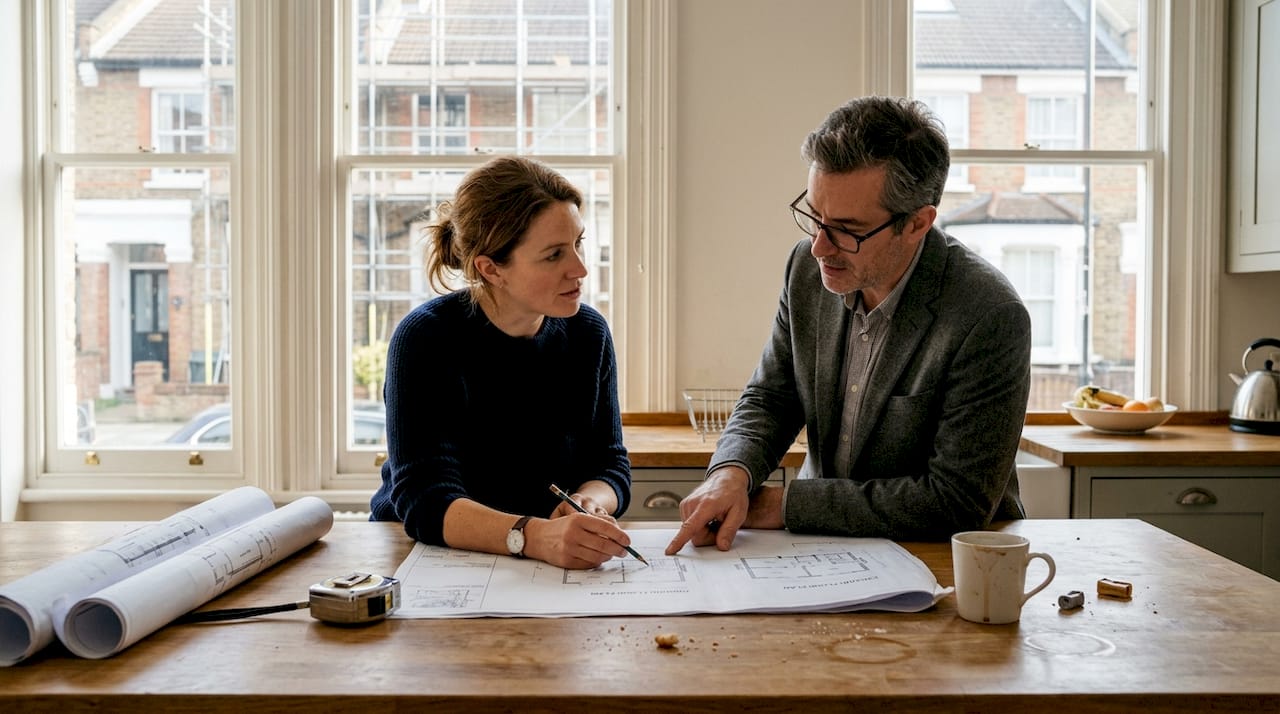
Most West London homeowners assume a home extension is a straightforward project with a predictable price tag. It rarely is. Build costs reach £2,300–£3,400 per m² in this part of London, and that figure surprises almost everyone at the first meeting. Add planning complexity, conservation area restrictions, and the very real risk of unreliable contractors, and you quickly see why so many projects run over budget and over time. This guide walks you through every stage of the process, from initial feasibility to final handover, with the West London nuances that make all the difference.
Table of Contents
Key Takeaways
Point | Details |
Account for London premiums | West London extensions cost 20–30% more than UK averages so set realistic budgets. |
Start planning early | Allow at least 9–18 months to navigate surveys, design, permissions, and construction. |
Choose your team wisely | Engage trusted architects and builders to safeguard quality and value. |
Factor in contingencies | Set aside 10–15% extra for unexpected expenses due to soil, drainage, or council requirements. |
Optimise for sustainability | Incorporate high insulation and airtightness to reduce running costs and futureproof your home. |
Understanding the West London extension landscape
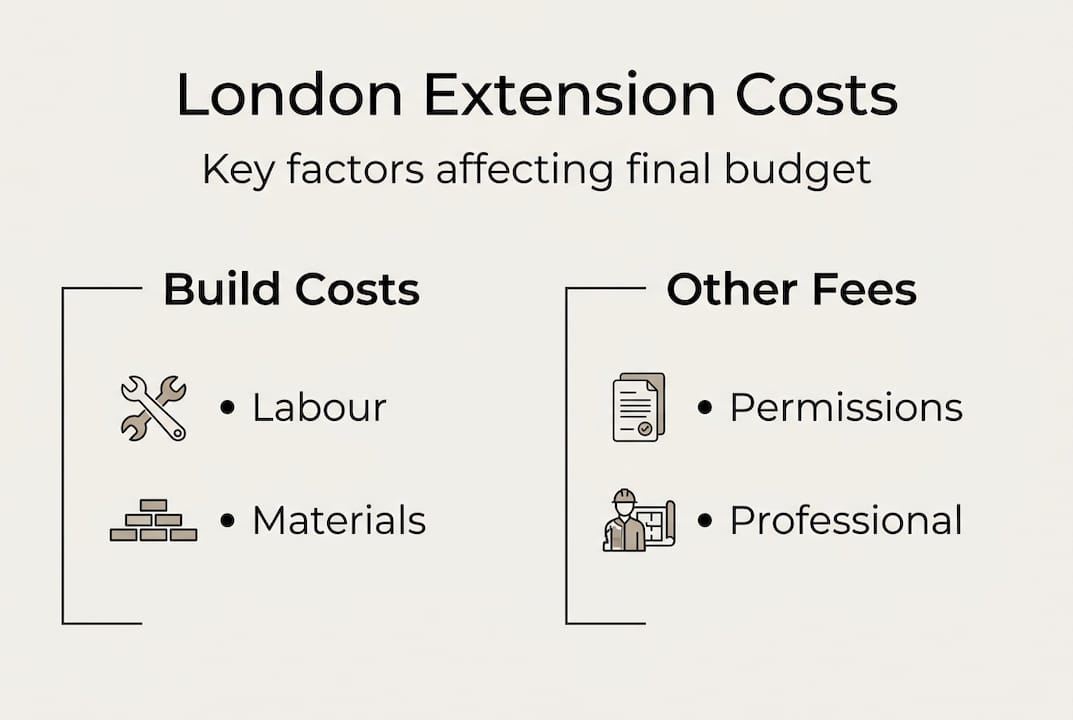
Before you sketch a single floor plan, it pays to understand what makes West London different from the rest of the country. Labour, materials, and professional fees all carry a premium here, and that premium is substantial. West London costs run 20–30% higher than the UK average, which means a budget that would comfortably fund a quality extension in Manchester or Bristol will only get you part of the way here.
High demand for skilled tradespeople in areas like Fulham, Chelsea, Kensington, and Notting Hill also means longer lead times. The best contractors are booked months in advance, so starting your search early is not optional. It is essential.
Despite the costs, the investment case is strong. A well-designed extension in West London can add 15–25% to your resale value, particularly when the design integrates seamlessly with the existing property. That figure climbs further in prime postcodes where buyers pay a significant premium for turnkey homes.
There are also site-specific risks that catch homeowners off guard:
Conservation area restrictions that limit materials, roof profiles, and window styles
Party wall agreements required when building close to or on a shared boundary
Soil and drainage surprises, particularly in older Victorian and Edwardian terraces
Neighbour objections that can delay or reshape your planning application
“The biggest mistakes happen before a single brick is laid. Homeowners who skip the feasibility stage almost always pay for it later.”
For a detailed overview of what to expect as a homeowner in this area, the West London homeowner extension guide covers the regional specifics in depth.
Essential steps for planning your home extension
A successful extension follows a clear sequence. Skipping steps or rushing stages is where projects unravel. The full process spans 9–18 months from survey to handover, covering design, approvals, groundwork, superstructure, and finishes.
Here is the sequence you should follow:
Site feasibility and survey. Understand what your plot, structure, and local planning policy will allow before committing to any design.
Concept design. Work with an architect to explore how to maximise light, space, and connection between old and new.
Technical design. Develop detailed drawings and specifications that will form the basis of your planning application and contractor tender.
Obtain permissions. Submit for planning permission or confirm permitted development rights, and secure building regulations approval. The Planning Portal advice is a useful starting point for understanding what applies to your property.
Tender and contractor selection. Invite quotes from vetted contractors and appoint your build team.
Groundwork and superstructure. Foundations, drainage, and the main structure go up.
First and second fix. Electrical, plumbing, insulation, plastering, joinery, and finishes are completed in sequence.
Handover. Snagging, certification, and final sign-off.
Understanding planning permissions and BREGS early prevents costly redesigns later. Many homeowners only discover their preferred design requires full planning permission after they have already fallen in love with it.
Pro Tip: Commission a measured survey of your existing property before the architect starts designing. Inaccurate base drawings cause errors that ripple through every subsequent stage and cost far more to fix than the survey itself.
If you are still weighing up whether an extension is the right move, the benefits of home extensions article sets out the financial and lifestyle case clearly.
How much does a home extension cost in West London?
Let’s be direct about numbers. Vague estimates help no one, and the gap between a rough figure and the final invoice is where budgets collapse.

The table below shows typical 2026 build cost ranges for West London extensions, based on published benchmarks for south west London:
Extension type | Typical size | West London cost range |
Single-storey rear | 20–30 m² | £50,000–£150,000 |
Side return | 15–25 m² | £80,000+ |
Double-storey | 40–60 m² | £150,000–£350,000 |
Wraparound | 35–55 m² | £100,000–£300,000 |
These figures include construction but not always professional fees, VAT, or fit-out. Always add:
10–15% contingency for unforeseen issues such as poor soil conditions, hidden drainage runs, or structural surprises
10–15% professional fees covering your architect, structural engineer, and project management
Planning and building regulations fees, which vary by council and project type
Fit-out costs for kitchens, bathrooms, and bespoke joinery, which can add £20,000–£80,000 depending on specification
46% of UK homeowners plan extensions, yet many underestimate the total budget by 20–30% because they focus on the build cost alone. UK home improvement spending has risen sharply, and contractor pricing has followed.
Pro Tip: Build your budget from the top down, not the bottom up. Decide the maximum you can spend, then work backwards with your architect to design a scheme that fits. Starting with a design and then pricing it almost always leads to painful value-engineering later.
For a granular breakdown of where the money goes, the London extension cost breakdown and West London refurbishment costs guides are worth reading before you meet any contractors.
Navigating approvals: planning permission, BREGS, and council nuances
Approvals are where many West London projects stall. Understanding the system in advance saves weeks and, in some cases, thousands of pounds.
The two main routes are:
Route | Typical timeline | Approximate cost | Neighbour input |
Permitted development (PD) | 6–8 weeks | Lower | Prior approval only |
Full planning permission | 8–13 weeks | Higher | Formal consultation |
Larger home extension scheme | 8–10 weeks | Moderate | Neighbour notification |
Choosing PD can save 8–12 weeks and up to £5,000 in fees and delays, but it is not always available. Conservation areas, listed buildings, and certain council policies restrict or remove PD rights entirely.
Building regulations approval (BREGS) is separate from planning permission and is required for virtually all extensions regardless of route. It covers structural integrity, fire safety, insulation, drainage, and ventilation. Failing to obtain it creates serious problems when you come to sell.
West London councils each have their own quirks:
Kensington and Chelsea is one of the most restrictive in the country, with detailed design guidance and a strong conservation area framework.
Hammersmith and Fulham has specific policies on rear extensions in terraced streets.
Ealing and Hounslow tend to be more straightforward for standard rear extensions.
“Never assume your neighbour’s extension sets a precedent for yours. Each application is assessed on its own merits.”
Our refurbishment checklist includes a useful section on approvals, and the home improvement services page explains how we manage this process on behalf of clients.
Choosing the right team: architect, contractor, and procurement method
Your project is only as good as the people delivering it. This is not a place to cut corners.
Appoint your architect before you do anything else. Early involvement means the design is shaped by planning constraints, structural realities, and your budget from the outset, rather than being retrofitted to them later. Architect and structural engineer fees typically run 10–15% of the build cost, which is money well spent when it prevents costly errors.
You have two main procurement routes:
Design and build: A single contractor manages both design and construction. Faster and simpler, but you have less control over design quality and specification.
Traditional procurement: You appoint an architect separately, who designs the scheme and manages the tender process. Slower, but gives you greater control and transparency.
For high-specification West London extensions, traditional procurement usually delivers better results. The design and build vs traditional comparison explains the trade-offs in detail.
Vetting your contractor is non-negotiable. Cowboy builders are a well-documented pitfall in the London market, and the consequences range from poor workmanship to incomplete projects and legal disputes. Almost half of homeowners have been put off renovations entirely due to concerns about finding reliable builders.
When vetting any contractor, look for:
A documented portfolio of comparable West London projects
Verifiable references from recent clients in similar properties
Clear, itemised contracts with payment schedules tied to milestones
Appropriate insurance including public liability and employers’ liability
Membership of a recognised trade body such as the Federation of Master Builders
Pro Tip: Never pay more than 10–15% upfront. Legitimate contractors with healthy cash flow do not need large deposits before work begins. A request for 30–50% upfront is a serious warning sign.
Design and sustainability trends for West London extensions
Once your team is in place, the design conversation begins in earnest. The choices you make here determine not just how the space feels to live in, but how much it costs to run and what it adds to your property’s value.
The features that consistently add value in West London extensions include:
Roof lights and glazed gables that flood rear extensions with natural light without compromising privacy
Open-plan kitchen and dining spaces that connect to the garden and create the social heart of the home
Quality finishes including stone worktops, bespoke joinery, and underfloor heating, which buyers in this market expect
Seamless indoor-outdoor flow through bifold or sliding doors onto well-designed external spaces
Sustainability is no longer a nice-to-have. High insulation and airtightness measures can substantially reduce running costs, and with energy prices remaining elevated, buyers increasingly factor this into their valuations.
“A well-insulated extension built to current standards will cost significantly less to heat than the rest of the house. That is a genuine selling point.”
Prioritise these sustainability measures:
Insulation beyond minimum standards in walls, roof, and floor
Airtightness detailing to eliminate draughts and heat loss
Mechanical ventilation with heat recovery (MVHR) for larger extensions
Air source heat pump compatibility if you are planning to upgrade your heating system
For inspiration on how these principles apply to high-specification spaces, the luxury bathroom design guide shows what is possible when quality and sustainability are prioritised together.
Start your home extension journey with confidence
You now have a clear picture of what a high-quality West London extension involves: the costs, the approvals, the team, and the design decisions that make the difference between a project you are proud of and one you regret. The next step is finding a partner who can guide you through all of it.
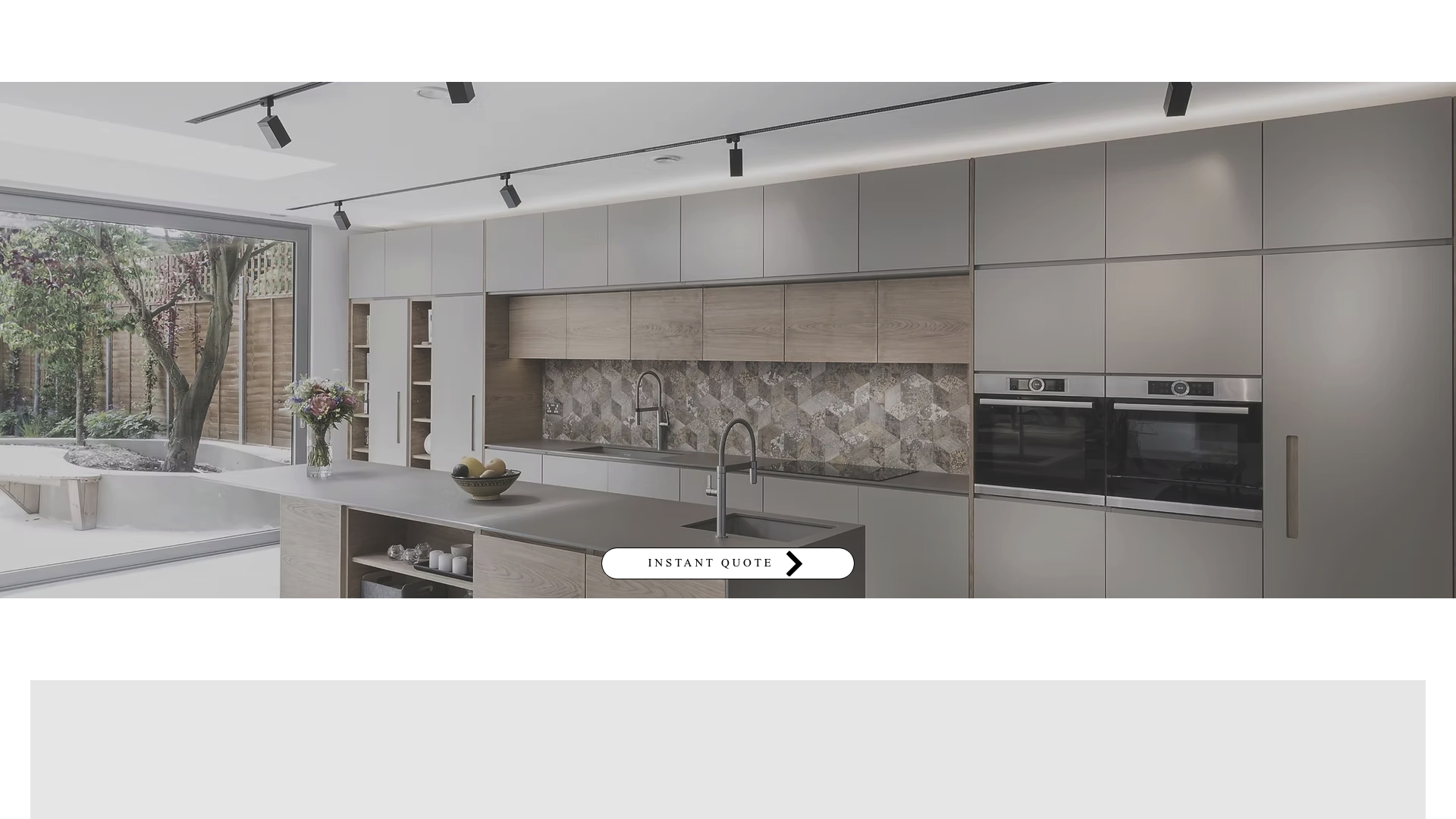
At Tenen Ltd, we have been delivering high-specification extensions across Fulham, Chelsea, Kensington, Chiswick, Hammersmith, and Notting Hill since 2006. Our team manages the entire process, from initial feasibility and planning through to final handover, with the attention to detail that discerning homeowners in West London expect. Whether you are planning a single-storey rear extension or a complex wraparound scheme, our London home extensions service is built around your vision. Explore our full range of building services or get in touch to arrange an initial consultation.
Frequently asked questions
How long does it really take to build a home extension in West London?
Most high-end extensions in West London take 9–18 months from survey to handover, depending on the complexity of the design, the permissions required, and the specification of finishes.
What is the average cost for a single-storey rear extension in 2026?
For a 20–30 m² single-storey rear extension, expect to budget £50,000–£150,000 inclusive of planning and local fees in West London, before professional fees and fit-out.
Can I use permitted development rights for my extension?
Permitted development can save significant time and cost, but always verify eligibility with your local council and obtain a lawful development certificate to protect your position when you come to sell.
How do I avoid cowboy builders or unreliable contractors?
Vet every contractor through verified references, a documented portfolio of comparable projects, and insist on a clear, milestone-based contract. Cowboy builders remain a common risk in the London market, and due diligence at the selection stage is your best protection.
Recommended
Comments